Composites for Mechanical Engineering
Higher machine performance through structural efficiency
Mechanical engineering requires high dynamics, precision, and energy efficiency.
Carbon composite structures enable reduced moving masses, high stiffness, and functional integration, which improves machine performance and stability. We develop and manufacture composite components for mechanical engineering applications, from prototype development to series production.
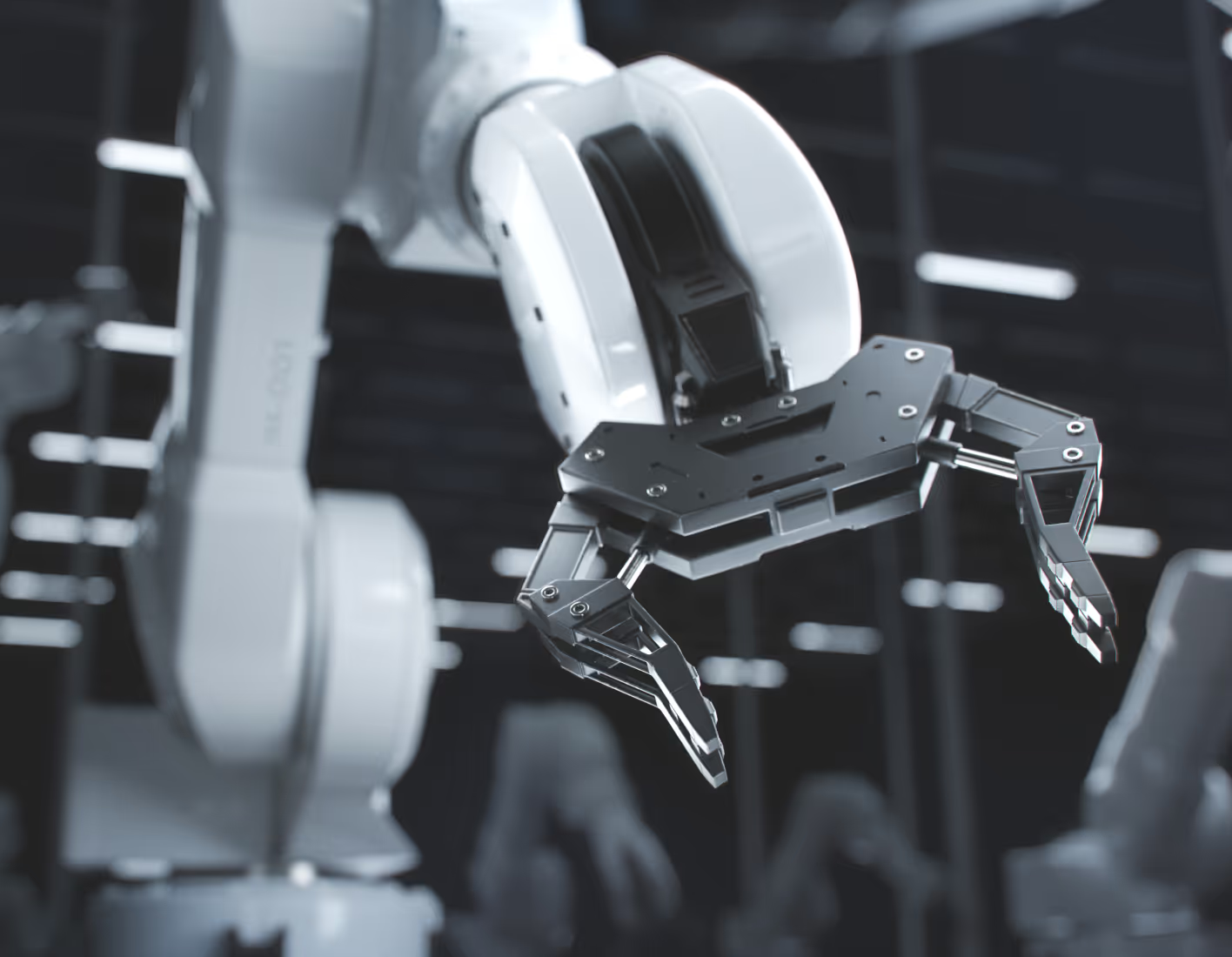
Why Composites Matter in Mechanical Engineering
Reducing moving masses directly improves machine dynamics. Carbon composite components enable faster acceleration and deceleration, higher cycle frequencies, and increased throughput. This is particularly advantageous for automation systems, handling units, and high-speed machinery.
High stiffness and low thermal expansion ensure stable geometries under varying loads and temperatures. Composite structures support precise positioning, repeatability, and consistent accuracy in machines where tolerances are critical.
Carbon composite materials have inherent damping properties that reduce vibrations and noise. This protects sensitive components, improves surface quality in machining processes, and increases overall system reliability.
Our composite manufacturing process allows for the integration of multiple functions into a single component. Structural elements can combine load-bearing capacity with mounting interfaces, cable routing, and local reinforcements, which reduces the number of parts and assembly effort.
Carbon composites combine high fatigue resistance with inherent damping properties and typically high natural frequencies. This reduces vibration-induced wear and extends component lifespan. Additional benefits such as chemical resistance, defined electrical properties, and extensive design freedom make composites a durable and resource-efficient solution for demanding mechanical engineering applications.
Our composites offer a high degree of design freedom, enabling complex geometries and functionally optimized structures. In addition to mechanical performance, specific properties such as electrical insulation, targeted conductivity, or chemical resistance can be adapted to the application, expanding the functional possibilities of mechanical engineering components.

Designed for Performance.
Proven in Practice.
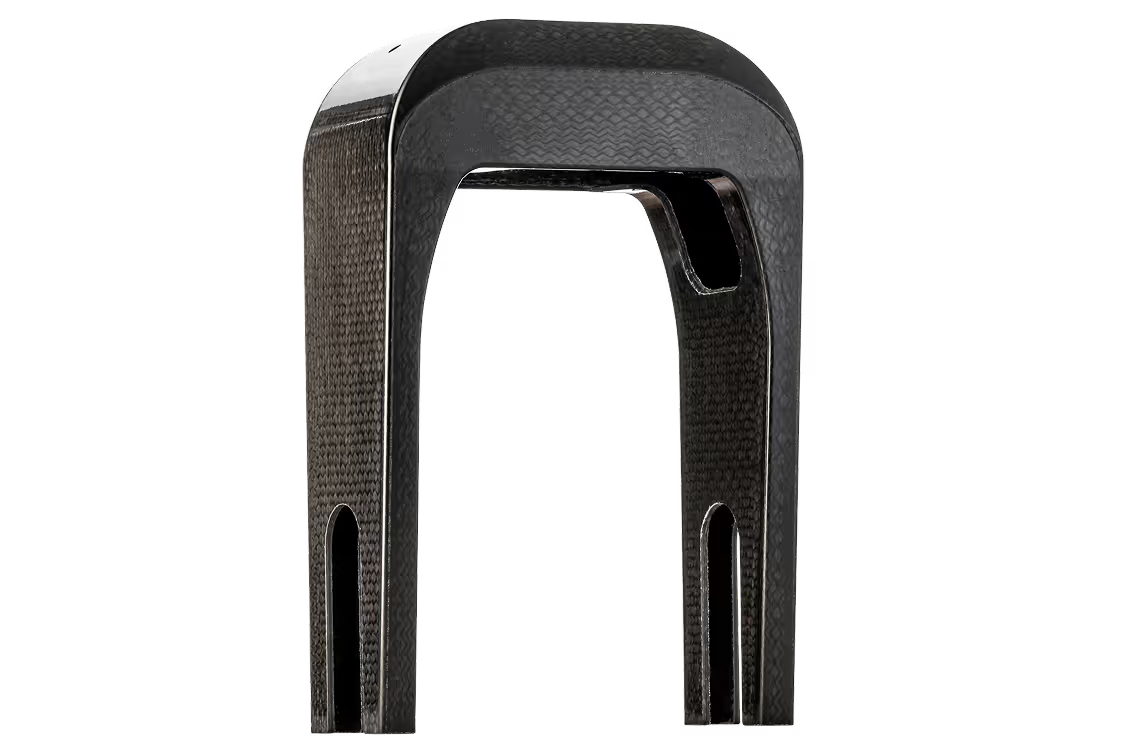
Pick-and-Place Rocker
Lightweight and highly rigid carbon fiber rocker, developed for pick-and-place applications with extremely high cycle rates. Tight tolerances and excellent dimensional stability enable maximum productivity and reliable long-term operation.
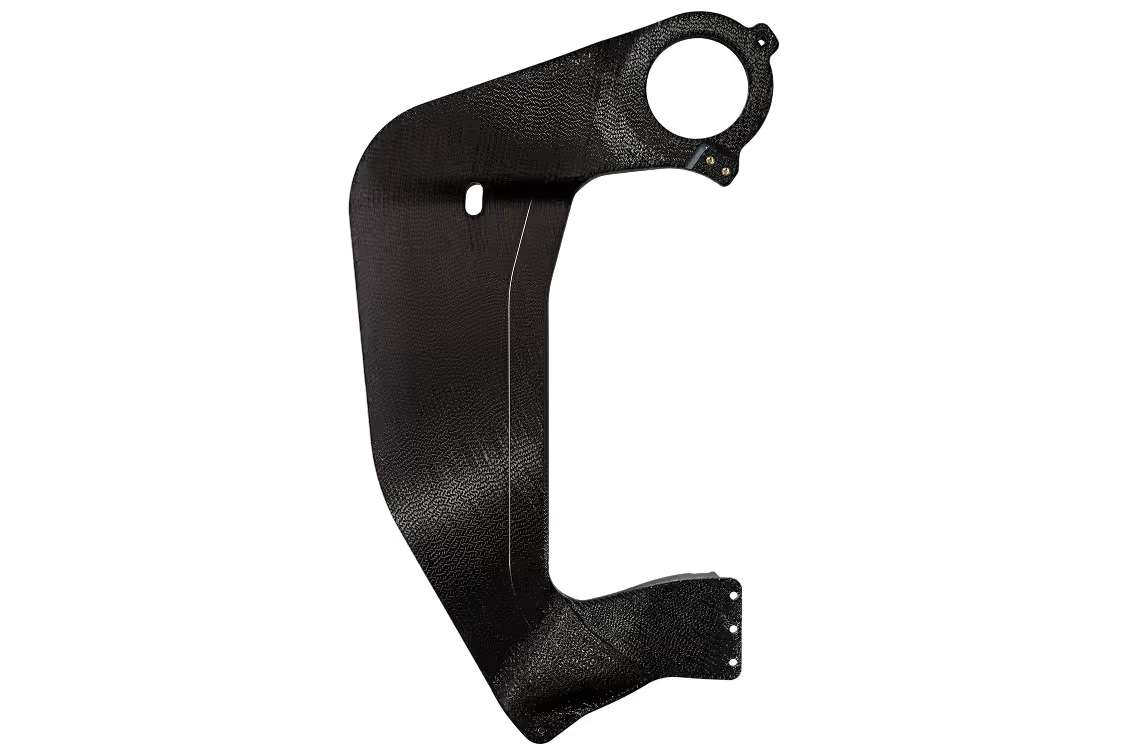
Splitting Wedge for Insulation Saws
Highly integrated structural component for industrial insulation saws. High stiffness requirements were successfully met with low weight, improving machine performance and handling.
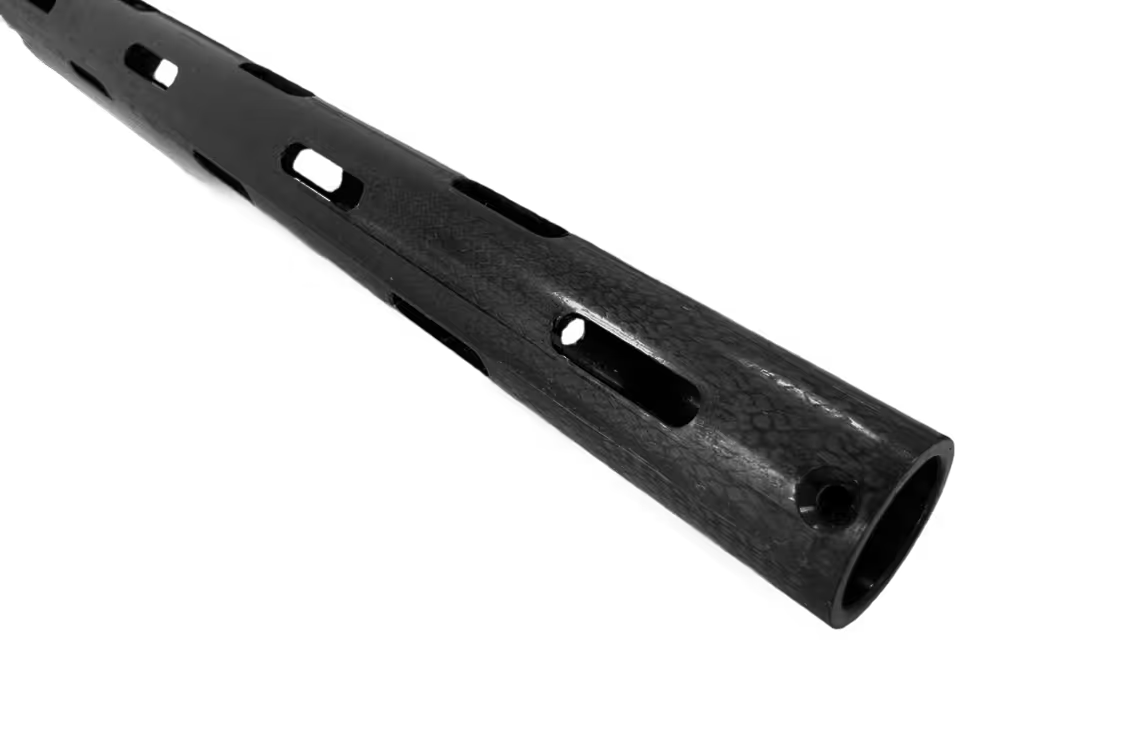
Expansion Shaft for the Printing Industry
Carbon fiber spreader shaft, developed for processing large-format paper. The rigid composite construction enables larger working widths and higher productivity with precise dimensional stability.
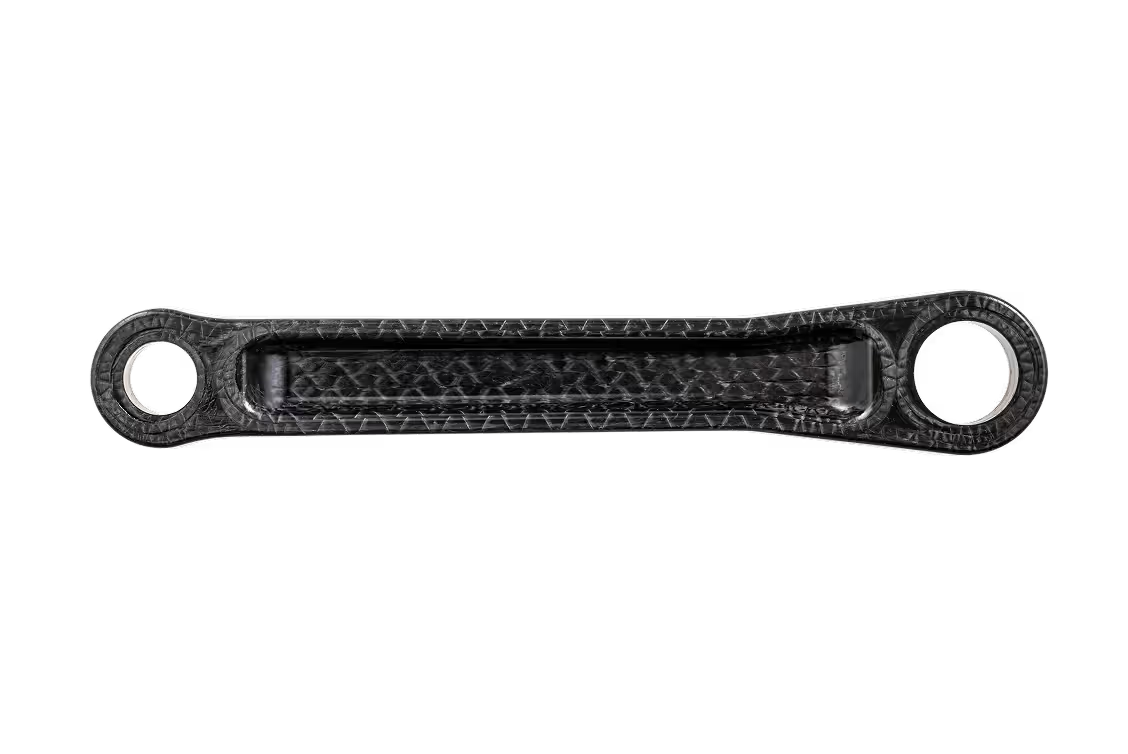
Carbon Fiber Connecting Rod
Carbon fiber composite connecting rod for highly dynamic applications. It reduces oscillating masses, enables higher rotational speeds, and offers high strength with minimal weight.
Harzsysteme und ihre gezielte Auswahl


Applications with high dynamic loads, precision requirements, or vibration sensitivity benefit greatly. Typical examples include handling systems, machine frames, moving axes, and precision structures.
In many cases, yes. Composite components can replace metal, offering the same or higher stiffness at a lower weight. Furthermore, composites enable part consolidation and functional integration that are not possible with metals.
Composite solutions are economical when performance enhancements, productivity gains, or integration benefits outweigh the material costs. Automated manufacturing and series production allow for attractive unit costs, particularly for recurring components.

